
Slot Paylines Explained: How Reels and Lines Actually Determine a Win
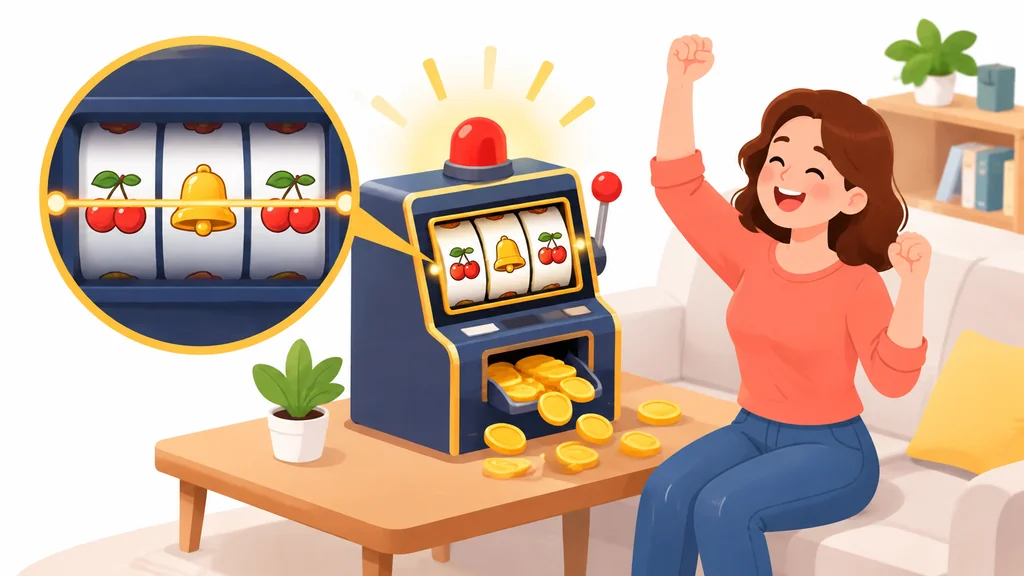
A slot win is decided by where the reels stop and whether the resulting symbols form one of the paytable’s active lines or ways. The reel strips and the random number generator set the stops, the payline pattern decides which positions count, and the bet per line decides the stake attached to each pattern. You can trace any win by checking those parts in order, starting with the symbols that landed and ending with the paytable rule that paid them.
How a Reel Stop Turns Into a Result
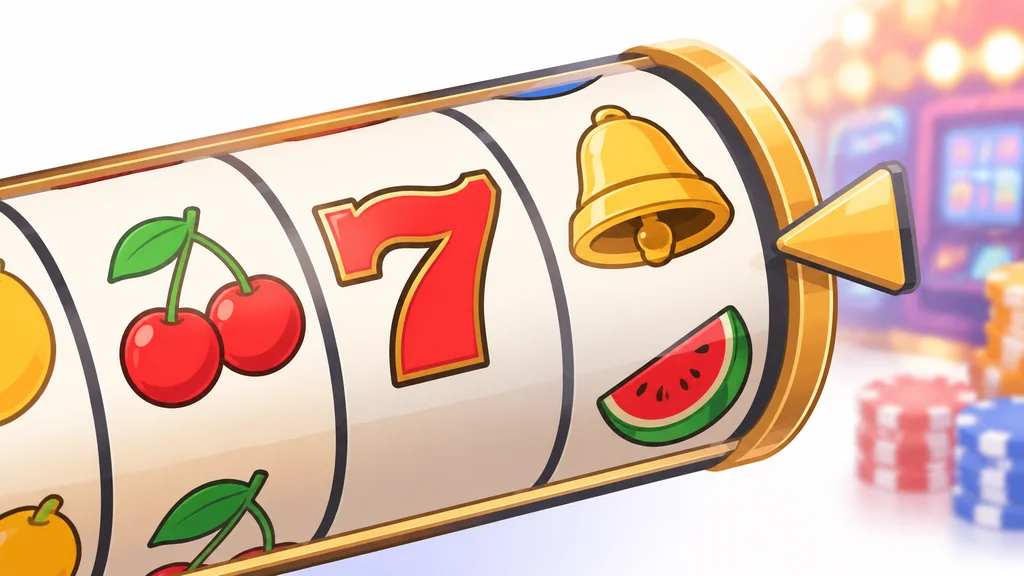
Each reel is a strip of symbols, and each position on that strip is a stop. When the spin ends, the machine reads the symbols sitting on the active stops and compares that arrangement with the paytable. A single stop change can remove a symbol from a line and turn a paying arrangement into a non-paying one, even when the rest of the screen looks close.
Reels are often presented as a single row of symbols, but the strip behind that row is longer than the visible window. The machine selects a stop, and the window shows the symbols around it. A winning line can depend on a symbol that sits just above or below the visible center, because the payline may cross that row. This is why separate spins can look almost the same and pay differently.
With 10 symbols per reel, the earliest slot machine offered only 1,000 possible combinations. On such an early machine, even the rarest outcome had a likelihood of just 0.1%. Those numbers explain why early mechanical slots had a small result space. A player in Las Vegas, Nevada can see the same principle on a modern cabinet, although the result space is far larger and the reel strips are often virtual.
The visible reel is only the display layer. The machine may choose a stop through a virtual reel that carries more positions than the printed strip shows. The player sees symbols, while the game logic works with stop indices. The screen hides the selection step. That separation is central to how modern slots produce results. It also explains why a printed strip can repeat a symbol and why the paytable, not the artwork, defines the prize.
What a Payline Adds to the Reels
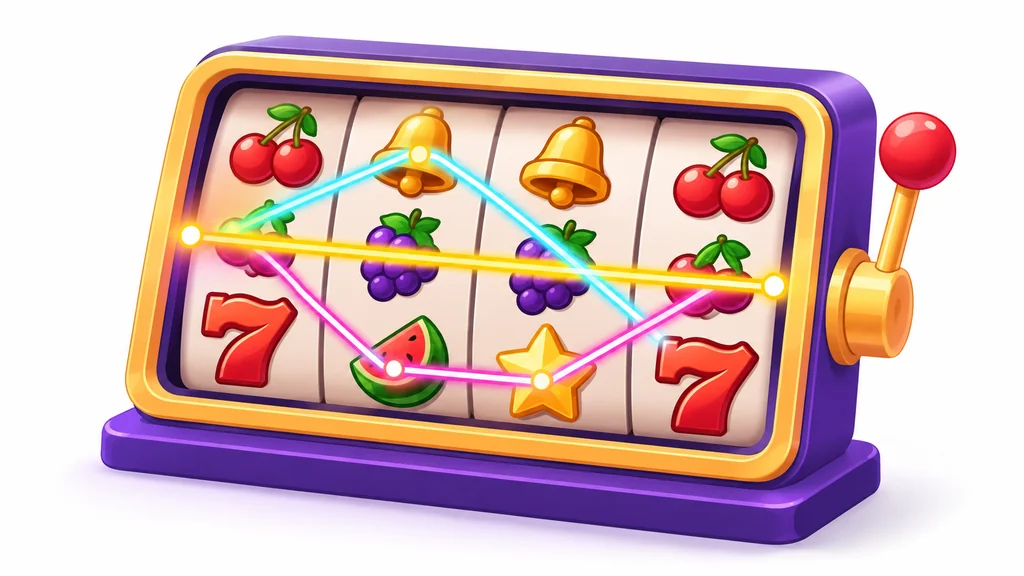
A payline is a fixed path across the reels. It tells the game which symbol positions to read together after the spin. A simple line might run straight across the middle row, while another might zigzag through top, middle, and bottom positions. Only symbols on an active line count for that line’s payout.
Video slot machines may offer 9, 15, 25, or as many as 1024 different paylines. The count is a design choice, and the paytable states which patterns are active. More lines can create more ways for symbols to line up, yet each line also needs a stake if the player activates it. A game with 25 lines and a game with one thousand and twenty-four lines can feel different because the screen is read in different ways.
The direction rule matters. A paytable may count a run from left to right, while another game counts from both sides. A matching group on the right edge can be irrelevant when the rule starts on the left. The player checks the direction before judging a screen, because the same symbols can qualify under a different rule.
Scatter symbols and ways-to-win formats change the reading rule. A scatter usually pays from any position, so it does not need a line path. A ways-to-win game counts adjacent symbols on consecutive reels, so the number of combinations grows without a fixed set of drawn lines. The screen can look busy, but the paytable still defines what counts.
Players in Canada or Atlantic City may see cabinets that advertise line counts on the glass. The useful check is the paytable, where the game lists the active patterns and the symbol rules. A line count alone does not say what a symbol pays or whether the line runs in a single direction. For a wider view of how newer formats sit beside classic lines, this site’s look at new online casino games and slot trends is a useful companion.
Bet per Line and the Paytable Math
Slot machines typically allow bets of 1 to 15 credits on each payline. The bet per line is the stake attached to a single active pattern. The total stake is the bet per line multiplied by the number of active lines, plus any separate feature bet the game offers. That total is the amount at risk on the spin, and it can change when the player switches line count or coin value.
Coin value is separate from bet per line on many cabinets. The two settings do different jobs. The per-line setting sets the number of credits, and the coin value gives each credit a cash value. The total stake combines both, plus any feature bet. A player who changes only the line count can still change the cost, so the displayed total is the figure to confirm before the spin.
The paytable converts a symbol combination into a credit payout, usually stated as a multiple of the bet per line. A payout of several credits on a line uses a different base from several credits on the total stake. Players who compare screens need to check whether the displayed figure is a line payout or a total payout, because the two numbers use different bases.
On that early machine, assuming 100% return to player, the maximum theoretical payout was 1000 times the bet. The assumption matters. Return to player is a long-run average, and a single session can land far from it. The paytable and the bet settings still define the stake and the top award for the game in front of the player.
A payline win can be small and still be correct. The line paid because the symbols matched the rule, the active line carried a stake, and the paytable assigned a value. A player who expected a different result can usually find the reason in the line pattern, the symbol count, or the bet setting. A player in Australia can use the same comparison on a mobile screen, where the total stake is often shown beside the spin button.
Virtual Reels and the Random Number Generator
In 1984, mathematician Inge Telnaes patented a device using a random number generator to select reel stop positions. That patent marks a shift from mechanical stops to a mapped result. The random number generator picks a number, the game maps that number to a stop on each reel, and the visible symbols follow from those stops.
A virtual reel can weight outcomes by giving some stops more entries than others. The player does not see those entries on the printed strip. The mapping is part of the game’s design, and the paytable describes the prizes while the internal mapping controls how often stops appear. This is why a symbol can look close without being close in the result space.
The random number generator is not a visible reel. It produces a number, and the game uses a mapping table to turn that number into stop positions. The mapping table is part of the game’s math, and it can differ from the printed strip. The player sees the symbols after the mapping, so the screen is an output, not the selection process.
A near miss on the screen is a visual event. It does not mean the next spin is due, and it does not mean the previous spin was cheated. The result is set before the reels settle. Each spin is a fresh selection unless the game states otherwise. The random number generator does not remember the last result in a way that forces a win.
Players in the United Kingdom or Malta may see different cabinet designs, yet the principle is the same. The stop selection happens inside the game, and the display shows the outcome. The paytable and the game rules are the public parts a player can check. A cabinet can look entirely different from a Las Vegas floor model and still use the same kind of stop mapping.
Checks Before You Trust a Win
A win is easy to verify when the player checks the screen, the paytable, and the stake in a fixed order. The order matters because a symbol can look like a winner on a line and fail on another. The whole check takes a minute. The checks below work on a demo game and on a real-money cabinet.
- Read the active paylines on the paytable and note which positions each line covers.
- Confirm that the symbols on those positions match the paytable rule, including the required count and direction.
- Check whether the symbol is a scatter or a line symbol, since the two use different rules.
- Compare the bet per line with the total stake shown before the spin.
- Read the payout figure as a line multiple or a total credit amount, using the paytable label.
- Test the same game in demo mode if the interface is unclear, then compare the paytable with the result.
A payout check should match the exact paytable row. The row may require a specific symbol count, a specific line, and a specific direction. If any of those pieces is missing, the line does not pay under that row. A player can compare the screen with the row before assuming an error.
A player in Macau or Singapore can use the same checks on a touchscreen cabinet. The interface may hide the line pattern behind a menu, and the paytable may use small type. A slow check before the first spin is cheaper than guessing after a loss. If a bonus or account issue blocks a payout review, the tested customer support channels comparison shows what each contact route can handle. That step sits outside the payline math, yet it can decide how quickly a dispute is resolved. For a Canada-facing angle on how game mechanics shape the odds, the Canadian player game mechanics guide is a useful companion.
Slot Paylines FAQ
Do more paylines mean more wins?
More paylines can create more chances for a matching pattern, and they also raise the total stake when each active line carries a bet. A game with one thousand and twenty-four paylines and a game with 9 paylines do not use the same screen logic. The paytable and the bet setting decide the real cost and the real prize rules.
What is a ways-to-win slot?
A ways-to-win slot counts adjacent symbols on consecutive reels, so it does not draw a fixed set of line paths. The number of possible combinations grows as reels and symbols are added. The paytable still lists the symbol rules and the required direction.
Does a near miss mean the machine is due?
No. A near miss is a display event, and each spin selects a new result. The random number generator does not owe a win because the last screen looked close. The paytable and the bet settings remain the parts a player can check.
Why does bet per line change the total cost?
Bet per line is the stake on a single active pattern, so the total rises when more lines are active or the per-line amount is higher. The paytable payout is usually tied to that per-line amount. A player who changes line count changes both the cost and the payout base.
Can I test a slot without real money?
Many games offer a demo mode that uses the same screen and paytable without a cash stake. The demo can show how lines, scatters, and bet settings work together. It does not predict a future session, since each spin remains a fresh result.